


Dental cavities, also known as tooth decay, are among the most common oral health problems affecting children and adults. A cavity develops when acids produced by bacteria in dental plaque gradually damage the hard outer layer of a tooth. Without proper care, tooth decay can progress deeper into the tooth, causing pain, infection and sometimes tooth loss.
The good news is that cavities are largely preventable. Maintaining good oral hygiene, making healthy food choices and visiting your dentist regularly can significantly reduce the risk of tooth decay.
What Causes Dental Cavities?
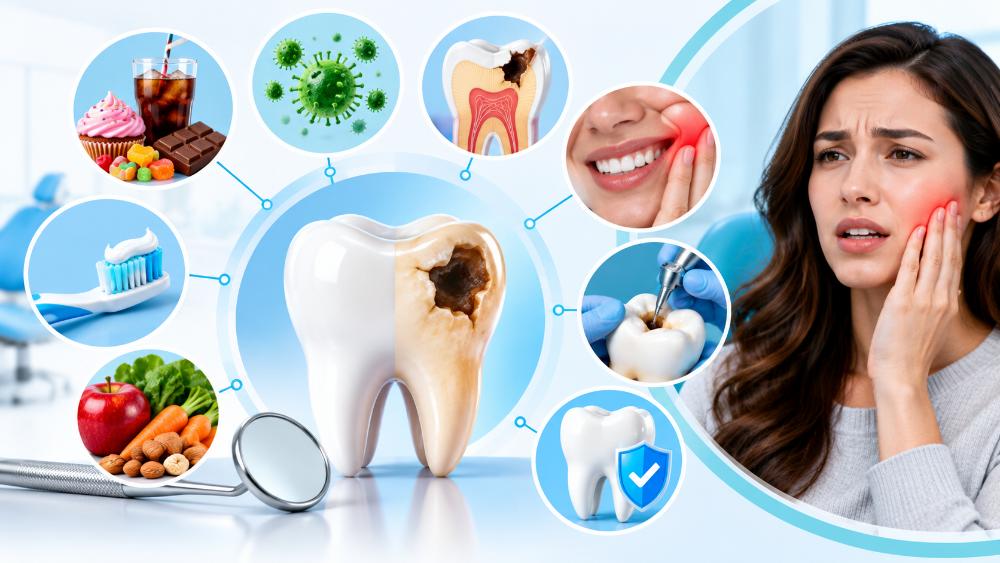
Cavities develop over time through a combination of bacteria, food particles and acids. When you eat foods containing sugars and carbohydrates, bacteria naturally present in your mouth feed on them and produce acids. These acids can gradually weaken and dissolve tooth enamel.
Poor brushing and flossing habits can allow plaque to build up on the teeth, increasing the risk of decay. Frequent consumption of sugary snacks, sweets, soft drinks and other acidic beverages can also contribute to the problem.
Other factors may increase the risk of cavities, including dry mouth, inadequate fluoride exposure, crowded teeth, certain medications and poor dietary habits. Children may be particularly vulnerable because their brushing habits and tooth-cleaning techniques are still developing.
Symptoms of Dental Cavities
A cavity may not cause noticeable symptoms during its early stages. As tooth decay progresses, however, several signs may appear.
Common symptoms include:
- Tooth sensitivity to hot, cold or sweet foods and drinks
- Toothache or occasional pain
- Visible white, brown or black spots on the tooth
Small holes or pits in the tooth - Pain while biting or chewing
- Food frequently getting stuck between teeth
Bad breath or an unpleasant taste in the mouth - Swelling around the affected tooth in advanced cases
If decay reaches the inner part of the tooth, the pain may become severe. An untreated cavity can eventually lead to infection and an abscess, which requires prompt dental treatment.
How Are Cavities Diagnosed?
Dentists usually diagnose cavities during a routine dental examination. They may inspect the teeth for visible signs of decay and check areas where plaque commonly accumulates. Depending on the location and severity of the suspected cavity, dental X-rays may be recommended to identify decay that cannot be seen during a visual examination.
Regular dental check-ups are important because early-stage cavities may not produce pain or other obvious symptoms.
Prevention of Dental Cavities
Preventing cavities begins with a consistent oral hygiene routine. Brush your teeth twice a day using fluoride toothpaste. Use a soft-bristled toothbrush and spend around two minutes cleaning all tooth surfaces.
Cleaning between the teeth every day is equally important. Dental floss or interdental cleaning tools can help remove plaque and food particles from areas that a toothbrush may not reach.
Diet also plays a major role in cavity prevention. Limit frequent consumption of sugary foods, sweets and sweetened beverages. Instead, choose nutritious foods and drink plenty of water. Avoid continuously snacking throughout the day, as frequent exposure to sugars gives bacteria more opportunities to produce acids.
Fluoride helps strengthen tooth enamel and can make teeth more resistant to acid attacks. Depending on your individual needs, your dentist may recommend additional fluoride treatments or products.
Children should also be encouraged to develop good brushing habits from an early age, with parents supervising brushing when necessary.
Treatment for Dental Cavities
The treatment required depends on how advanced the decay is. When tooth decay is detected at a very early stage, the dentist may recommend fluoride treatment and improved oral hygiene to help strengthen the enamel.
If a cavity has formed, a dental filling is commonly used. The dentist removes the decayed portion of the tooth and fills the area with an appropriate restorative material. This helps restore the tooth’s shape and function.
When decay has progressed deep into the tooth and affected the pulp, root canal treatment may be necessary. During this procedure, the infected or damaged pulp is removed, the inside of the tooth is cleaned and sealed, and the tooth may be restored with a crown.
In cases where a tooth is severely damaged and cannot be restored, extraction may sometimes be required. Your dentist can recommend the most suitable treatment after examining the tooth.
When Should You See a Dentist?
Do not wait for severe pain before seeking dental care. If you notice tooth sensitivity, visible spots, a hole in a tooth, persistent discomfort or swelling, schedule a dental examination. Early diagnosis can make treatment simpler and help prevent complications.
Protect Your Smile
Dental cavities can affect people of all ages, but good oral hygiene and regular professional care can greatly reduce the risk. Brushing twice a day, cleaning between your teeth, limiting sugary foods and drinks, drinking water and visiting your dentist regularly are simple but effective steps toward maintaining strong, healthy teeth.
If you experience persistent tooth pain or other symptoms of tooth decay, consult a qualified dental professional for an appropriate evaluation and treatment plan.