


Types of Dental Fillings — Which One Is Best for You?
Maintaining good oral health is essential for a confident smile and overall well-being. One of the most common dental treatments performed worldwide is a dental filling. Whether you have a small cavity or a damaged tooth, choosing the right filling material can significantly impact the durability, appearance, and health of your teeth. With several options available today, many patients ask: Which type of dental filling is best for me?
At Petal Smiles Dental & Paediatric Care, led by Dr. Adish Chaudhary, we help patients make informed decisions about their dental treatments by recommending the most suitable filling material based on their individual needs. In this guide, we’ll explain the different types of dental fillings, their advantages, disadvantages, and how to determine the best option for your smile.
Understanding Dental Fillings
Dental fillings are restorative materials used to repair teeth affected by decay, minor fractures, or wear. During the procedure, the dentist removes the decayed portion of the tooth and fills the space with a suitable material to restore its shape, strength, and function.
Dental fillings help:
- Prevent further tooth decay
- Restore normal chewing function
- Strengthen weakened teeth
- Improve tooth appearance
- Reduce sensitivity and discomfort
Modern dentistry offers several filling materials, each designed to meet different cosmetic and functional requirements.
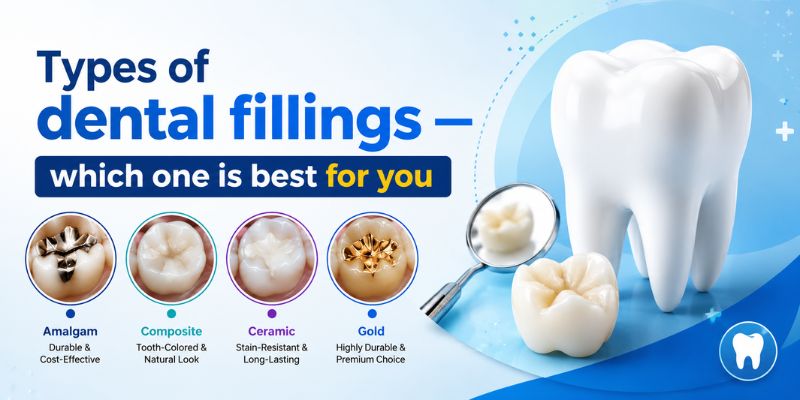
Types of Dental Fillings
Composite Fillings (Tooth-Colored Fillings)
Composite fillings are among the most popular choices today because they blend naturally with your teeth. Made from a mixture of resin and fine glass particles, these fillings are ideal for patients seeking a discreet restoration.
Advantages
- Matches natural tooth color
- Excellent aesthetic appearance
- Bonds directly to tooth structure
- Requires minimal removal of healthy tooth tissue
- Suitable for front and back teeth
Disadvantages
- May wear faster than metal fillings under heavy pressure
- Slightly more expensive than amalgam fillings
- Can stain over time if oral hygiene is neglected
Best For
Patients looking for a natural-looking restoration, especially for visible teeth.
Amalgam Fillings (Silver Fillings)
Amalgam fillings have been used for over a century and are known for their strength and durability. These fillings consist of a combination of metals such as silver, tin, copper, and mercury.
Advantages
- Highly durable
- Cost-effective
- Suitable for large cavities
- Long-lasting performance
Disadvantages
- Metallic appearance
- More noticeable when smiling
- Requires removal of more tooth structure
Best For
Back teeth and molars where chewing pressure is highest.
Ceramic Fillings
Ceramic fillings are usually made from porcelain and provide an excellent balance between durability and aesthetics.
Advantages
- Highly aesthetic appearance
- Resistant to staining
- Durable and long-lasting
- Biocompatible material
Disadvantages
- More expensive than composite and amalgam fillings
- May require multiple visits depending on the restoration
Best For
Patients seeking premium cosmetic restorations with long-term durability.
Gold Fillings
Gold fillings have long been considered one of the strongest and most durable restorative materials available.
Advantages
- Exceptional longevity
- Highly resistant to wear
- Can last 20 years or more
- Strong under heavy chewing forces
Disadvantages
- Higher cost
- Metallic appearance
- Requires custom fabrication
Best For
Patients prioritizing durability over cosmetic appearance.
Comparing Different Filling Materials
| Filling Type | Appearance | Durability | Cost | Longevity |
|---|---|---|---|---|
| Composite | Excellent | Good | Moderate | 5–10 Years |
| Amalgam | Fair | Excellent | Affordable | 10–15 Years |
| Ceramic | Excellent | Excellent | Higher | 10–15+ Years |
| Gold | Good | Outstanding | Premium | 15–25+ Years |
Which Dental Filling Is Best for You?
The answer depends on several factors, including:
Location of the Tooth
For front teeth, appearance is often the primary concern, making composite or ceramic fillings ideal choices. For molars, durability may be more important, making amalgam or gold fillings suitable options.
Size of the Cavity
Small to moderate cavities can often be treated effectively with composite fillings, while larger restorations may benefit from ceramic or metal alternatives.
Cosmetic Preferences
Patients who want a seamless, natural smile generally prefer tooth-colored fillings that blend with surrounding teeth.
Budget Considerations
While composite and ceramic fillings offer superior aesthetics, amalgam fillings remain one of the most affordable restorative solutions.
Long-Term Expectations
Some patients prioritize longevity and may choose gold or ceramic restorations for their exceptional durability.
At Petal Smiles Dental & Paediatric Care, Dr. Adish Chaudhary carefully evaluates each patient’s dental condition before recommending the most appropriate filling material.
How Long Do Dental Fillings Last?
The lifespan of a filling depends on the material used, oral hygiene habits, and daily wear.
Typical lifespan includes:
- Composite Fillings: 5–10 years
- Amalgam Fillings: 10–15 years
- Ceramic Fillings: 10–15 years or more
- Gold Fillings: 15–25 years or longer
Regular dental examinations help identify early signs of wear and ensure fillings remain in excellent condition.
Tips to Maintain Your Dental Fillings
Proper care can extend the life of your fillings and protect your oral health.
Maintain Excellent Oral Hygiene
Brush twice daily using fluoride toothpaste and floss regularly.
Avoid Hard Foods
Chewing ice, hard candies, or other hard objects can damage fillings.
Limit Sugary Foods
Reducing sugar intake helps prevent new cavities from forming around existing fillings.
Schedule Regular Dental Checkups
Routine dental visits allow your dentist to monitor the condition of your fillings and address any issues early.
Wear a Night Guard if Necessary
Patients who grind their teeth during sleep may benefit from a custom night guard to protect both teeth and restorations.
Conclusion
Understanding the different types of dental fillings can help you make an informed decision about your oral health. Composite fillings provide excellent aesthetics, amalgam offers affordability and durability, ceramic delivers premium cosmetic results, and gold remains one of the most durable options available.
The best dental filling depends on your individual dental needs, cosmetic goals, and budget. A professional consultation with Dr. Adish Chaudhary at Petal Smiles Dental & Paediatric Care can help determine the ideal treatment option for restoring your smile and maintaining long-term oral health.
Frequently Asked Questions.
What is the best type of dental filling?
The best filling depends on the location of the tooth, aesthetic requirements, and budget. Composite fillings are commonly preferred for their natural appearance.
Are tooth-colored fillings durable?
Lorem ipsum dolor sit amet, consectetur adipiscing elit. Ut elit tellus, luctus nec ullamcorper mattis, pulvinar dapibus leo.
How long does a dental filling procedure take?
Most dental filling procedures can be completed within 30–60 minutes, depending on the size of the cavity.
Do dental fillings hurt?
Dental fillings are generally painless because local anesthesia is used to ensure patient comfort during treatment.
Restore Your Smile with Expert Dental Care at Petal Smiles
Don’t let cavities, damaged teeth, or dental discomfort affect your confidence and oral health. Whether you need a tooth-colored filling, cavity treatment, or a complete dental evaluation, Dr. Adish Chaudhary and the experienced team at Petal Smiles Dental & Paediatric Care are here to help.
We provide personalized treatment plans, advanced dental technology, and comfortable care to ensure the best results for every patient.
📞 Book Your Appointment Today
📍 Petal Smiles Dental & Paediatric Care, Gurugram
🦷 Healthy Teeth. Beautiful Smiles. Lasting Confidence.
Schedule your consultation now and take the first step toward a stronger, healthier smile!